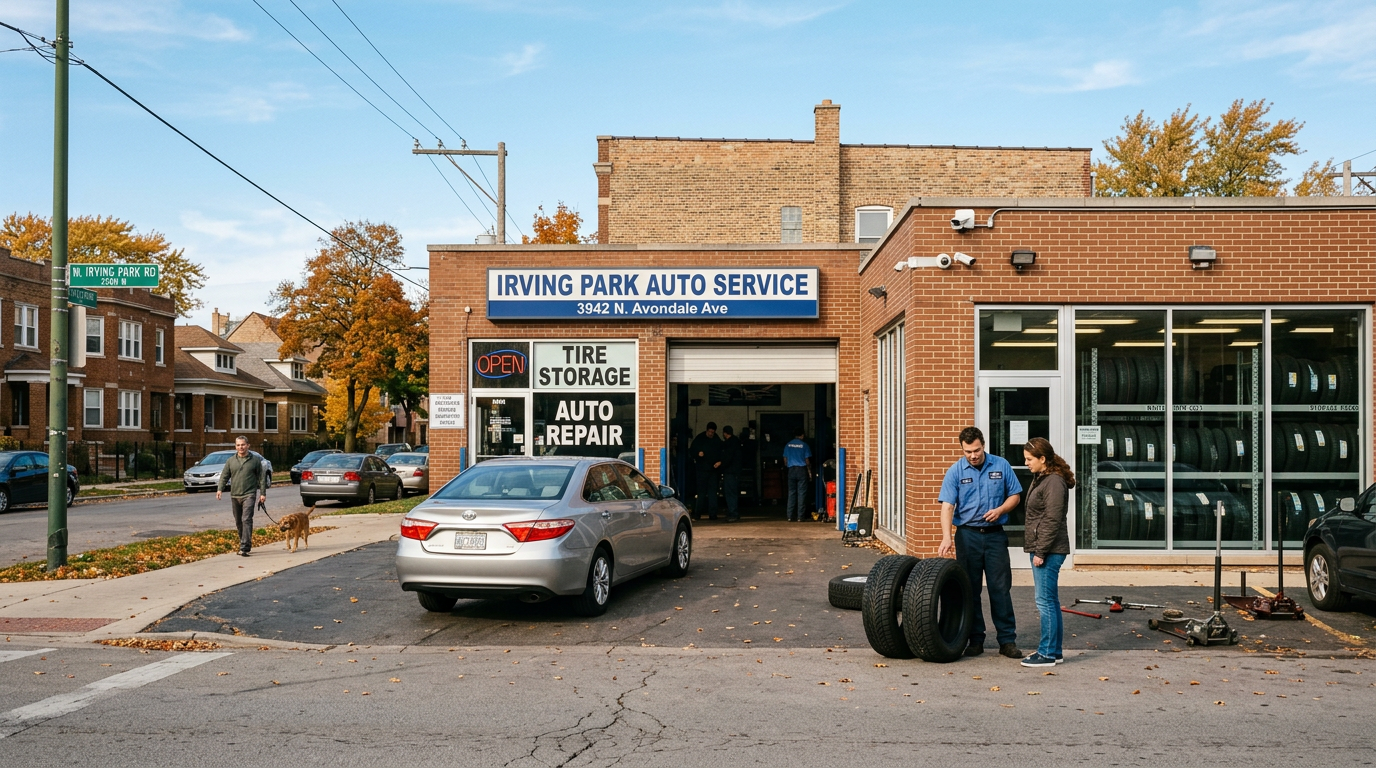
Chicago weather demands seasonal tire swaps to maintain safe traction. When the lakefront winds pick up and temperatures drop below 45 degrees, switching from summer or all-season rubber to dedicated winter tires is crucial for maintaining the grip of your vehicle. However, finding a secure, dry place to store your off-season set can be a major challenge for city residents. Many apartment buildings, multi-family three-flats, and bungalows lack the extra square footage required to house four large, dirty wheels for six months at a time.
Leaving your off-season set in a damp basement, an unheated alley garage, or exposed on a back porch accelerates rubber degradation. The fluctuating humidity and temperature extremes of the local climate weaken the structural integrity of the tire compounds. Professional storage solved this logistical headache by keeping your seasonal investment in a secure, monitored, and temperature-stable environment.
Our team at Berman Subaru of Chicago provides a seamless solution that combines your seasonal tire swap with professional, secure storage. When you visit us for your seasonal maintenance, we handle the heavy lifting, inspect your tread, and safely store your off-season set until the weather shifts again. If you are ready to transition your vehicle for the upcoming season, you can easily schedule your service online to secure your spot. For immediate questions about space availability or to coordinate a drop-off, please give our service department (708) 943-9726 a quick call. If you prefer to drop off your vehicle or speak with a service advisor in person, you can easily find our service center location right on Irving Park Road.
Table of Contents
- Professional Tire Storage Options and What They Usually Include
- Why Climate-Controlled Storage Protects Tire Condition
- What Tire Storage Typically Costs and What Affects the Price
- How Proper Storage Can Extend Tire Life
- Preparing Tires for Storage the Right Way
- Common Questions About Tire Storage, Parts, and Service Support
- Keeping Your Tires Ready for the Next Season
Professional Tire Storage Options and What They Usually Include
Are you wondering what actually happens to your tires when you hand them over to a professional facility? Choosing a professional storage service is much more than renting a shelf; it is a comprehensive maintenance program designed to preserve your tires. When tires are left sitting in a home closet or a standard self-storage unit, they are often stacked incorrectly, which can distort the tire casing and damage the bead over time.
A comprehensive professional storage program typically includes several distinct steps to ensure your tires remain in peak condition. Upon arrival at our facility, our factory-trained technicians perform a complete inspection, checking for uneven tread wear, sidewall cracking, embedded debris, and punctures. We wash away corrosive road salt, brake dust, and grime that can degrade the rubber compound during months of inactivity. Once dry, the tires are cataloged with unique tracking labels to ensure they are never misplaced, and then they are placed in specialized racks that prevent flat-spotting and structural distortion.
This organized approach takes the hassle out of ownership, especially for active families and busy professionals who do not want to load dirty tires into a clean cabin twice a year. We make sure your off-season set is clean, balanced, and ready for immediate mounting when the next seasonal changeover arrives. To make your routine vehicle maintenance even more convenient, you can explore our rotating service options and service coupons to combine your tire storage with other essential maintenance items.
Why Climate-Controlled Storage Protects Tire Condition
Why does temperature and humidity control matter so much for a set of tires sitting in storage? The answer lies in the organic chemistry of tire rubber. Tires are made from complex vulcanized rubber compounds that remain highly sensitive to their surrounding environment. When exposed to extreme temperature swings, high humidity, or direct sunlight, these compounds undergo a process called dry rotting, which causes the rubber to lose its elasticity and develop microscopic cracks.
Standard self-storage units, outdoor sheds, and uninsulated garages in Irving Park experience severe temperature fluctuations throughout the year. In the summer, unventilated spaces can reach temperatures well over 100 degrees, which bakes the essential oils out of the rubber. In the winter, freezing temperatures make the rubber brittle. Additionally, electric motors, generators, and furnaces produce ozone, an active gas that rapidly accelerates rubber cracking when tires are stored nearby.
Climate-controlled storage eliminates these environmental hazards by maintaining a stable temperature and a low, consistent humidity level. By keeping the storage environment cool, dry, and dark, we protect the rubber from premature aging. This controlled environment ensures that the tread compound remains supple and pliable, preserving the safety and stopping power of your winter or summer tires for several seasons to come.
What Tire Storage Typically Costs and What Affects the Price
What should you expect to pay for the convenience and security of professional tire storage? Generally, seasonal tire storage pricing is structured on a per-season basis, which typically covers a six-month period. While prices can vary depending on the specific services included, most professional automotive centers offer storage packages with pricing that varies by provider.
Several key factors influence the final cost of your tire storage package:
- Wheel Assembly Status: Storing mounted tires (tires already on dedicated winter or summer wheels) is often priced differently than storing loose rubber, as mounted assemblies are heavier but easier to swap.
- Bundled Services: Many drivers save money by choosing packages that bundle the storage fee with the physical tire swap, wheel balancing, and a multi-point alignment check.
- Wheel Size and Weight: Oversized wheel assemblies, such as those found on larger SUVs or heavy-duty trucks, may carry a slight premium due to the physical space they occupy on the storage racks.
While DIY storage in a basement or crawl space is technically free, it carries hidden costs. The risk of premature tire replacement due to dry rot, flat-spotting, or ozone damage can easily exceed the cost of a professional storage program. Investing in professional storage protects your high-performance summer rubber or heavy-duty winter tires from environmental ruin, ensuring you get the full value out of your purchase.
How Proper Storage Can Extend Tire Life
Can professional storage actually save you money over the lifespan of your tires? Absolutely. Tires represent a significant investment in your vehicle's safety and performance, and maximizing their physical lifespan is key to lowering your overall cost of ownership. When tires are stored improperly, they often need to be retired long before their tread is fully worn down due to sidewall cracking or structural deformation.
When a tire sits flat on a concrete floor for months, the weight of the tire assembly presses down on a single spot. This continuous pressure causes flat-spotting, a permanent flat patch in the tire structure that creates annoying vibrations and uneven wear once the tire is reinstalled. Professional storage racks hold tires vertically or support them in a way that distributes weight evenly, preventing structural flat-spots.
Furthermore, professional technicians monitor the age and condition of your tires. During each seasonal swap, our team measures the remaining tread depth and checks for uneven wear patterns that might indicate a suspension alignment issue. Catching these issues early prevents one-sided tread wear and ensures that your tires wear down evenly, helping you safely reach the maximum mileage potential of your tread compound.
Preparing Tires for Storage the Right Way
If you do choose to store your tires at home, following a strict preparation checklist is essential to prevent permanent damage. Simply stacking dirty tires in a corner of your garage will lead to rubber degradation and corrosion on your wheels. Taking the time to properly clean, dry, and wrap your tires will preserve their integrity until they are ready to go back on the road.
First, wash each tire and wheel thoroughly using a dedicated tire cleaner, a soft brush, and clean water. This step is critical for removing corrosive road salt, brake dust, and highway grime. Allow the tires to dry completely; storing wet tires in plastic bags traps moisture, which can cause the steel belts inside the tire to rust and degrade.
Once dry, place each tire in a large, airtight plastic bag, such as a heavy-duty lawn bag. Draw out as much air as possible and tape the bag shut to create a sealed environment that prevents the evaporation of the rubber's essential oils. Store the bagged tires in a cool, dry, dark location away from direct sunlight, heat vents, and ozone-producing devices like electric motors, sump pumps, or water heaters. If your tires are mounted on wheels, store them stacked horizontally or hang them from secure hooks; if they are unmounted, store them standing vertically on a clean rack.
Common Questions About Tire Storage, Parts, and Service Support
Navigating seasonal tire care often brings up questions about parts compatibility, maintenance intervals, and storage logistics. To help you make the best decisions for your vehicle, our service team has compiled answers to the questions we hear most frequently from local drivers.
Q: Can I store my off-season tires in a standard outdoor storage shed?
Storing tires in an uninsulated outdoor shed is highly discouraged. The extreme summer heat and freezing winter temperatures will accelerate rubber dry rot and cause the tread compound to harden prematurely. For safety and longevity, tires should always be kept in a temperature-stable, dry indoor environment.
Q: How do I know if my off-season tires are still safe to use for another year?
Before mounting your tires, our technicians check the remaining tread depth using a precise gauge. If the tread is worn down to 2/32 of an inch or less, the tires are no longer safe and must be replaced. We also inspect the sidewalls for any dry rot, cracking, or bulging that indicates structural failure.
Q: Should I get an alignment when I swap my seasonal tires?
Yes, we highly recommend scheduling a wheel alignment during your seasonal tire changeover. Chicago pothole season can easily knock your suspension out of spec. A precise alignment ensures your tires make flat contact with the road, preventing uneven tread wear and maximizing your fuel efficiency.
Q: What is the difference between storing mounted tires versus unmounted tires?
Mounted tires are already inflated on a set of dedicated wheels, making the seasonal swap faster and reducing wear on the tire bead. Unmounted tires are loose rubber, which takes up slightly less space but requires mounting and balancing on your single set of wheels during every seasonal transition.
Q: Where can I get replacement parts or wheels for my winter tire setup?
If you need a dedicated set of steel wheels for the winter or require replacement tire pressure monitoring sensors, you can easily order genuine parts online through our department. We stock original equipment components designed to fit your vehicle perfectly. To help keep your maintenance costs manageable, we invite you to browse our current seasonal service options before booking your next appointment.
Keeping Your Tires Ready for the Next Season
Maintaining the safety, performance, and longevity of your vehicle starts where the rubber meets the road. Proper seasonal tire storage is an investment in your safety, ensuring that your winter tires are pliable enough to grip frozen pavement and your summer tires are resilient enough to handle hot asphalt. Whether you need a professional team to handle your tire storage or require expert advice on choosing the right tread for your daily commute, we are here to support you.
Our certified technicians are ready to assist with all of your tire maintenance, alignment, and storage needs. Please feel free to give our service advisors a call at (708) 943-9726 to discuss storage availability, or get turn-by-turn directions to our facility to drop off your vehicle today.
© 2026 Berman Subaru of Chicago. All rights reserved.